Table of Contents
The challenge
To connect Melbourne’s northern and eastern suburbs, easing congestion and upgrading the Eastern Fwy for growing communities
6
additional motorway lanes to reduce congestion
Melbourne’s growing eastern corridor has long faced congestion, limited public transport options and a missing link in the city’s orbital road network. The Eastern Freeway had not undergone a major upgrade since the 1990s, leaving communities with increasing travel times, heavy truck movements on local roads and constrained access to key destinations. To close this gap and create a more connected, reliable and sustainable transport network, the Victorian Government committed to widening the freeway, improving public transport links and delivering safer, more accessible walking and cycling connections. The challenge was to design a future‑ready corridor that improves quality of life by reducing congestion, enhancing mobility and strengthening community connections.
The solution
Arcadis delivered integrated civil, structural, environmental and ITS design to create a future‑ready, high‑capacity corridor with seamless multimodal
35mins
reduced travel times in the northeast
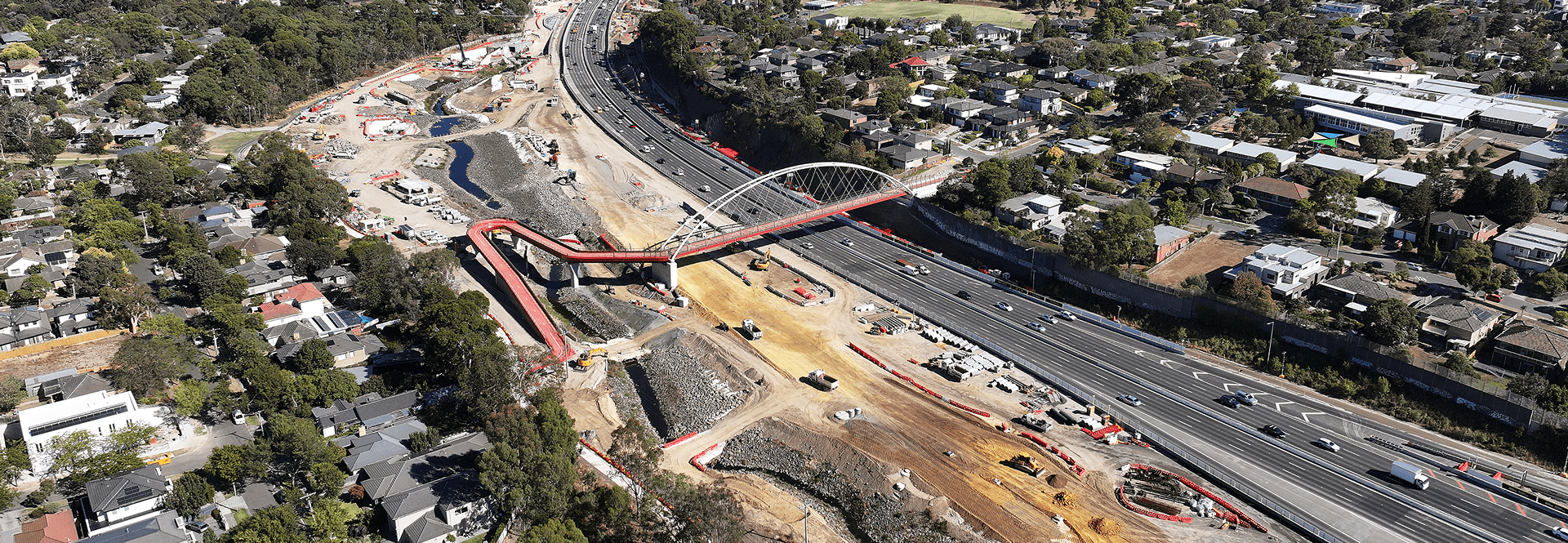
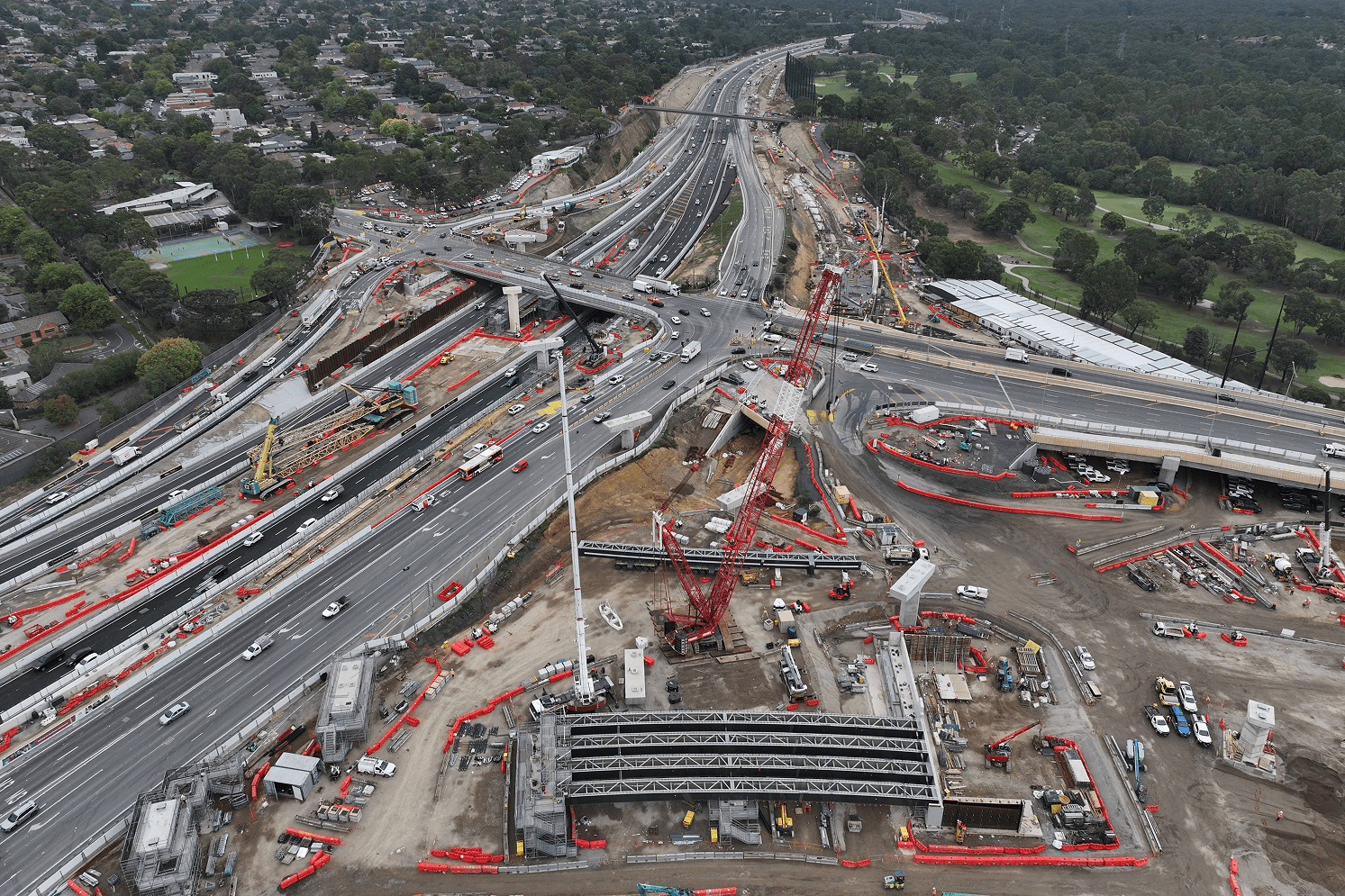
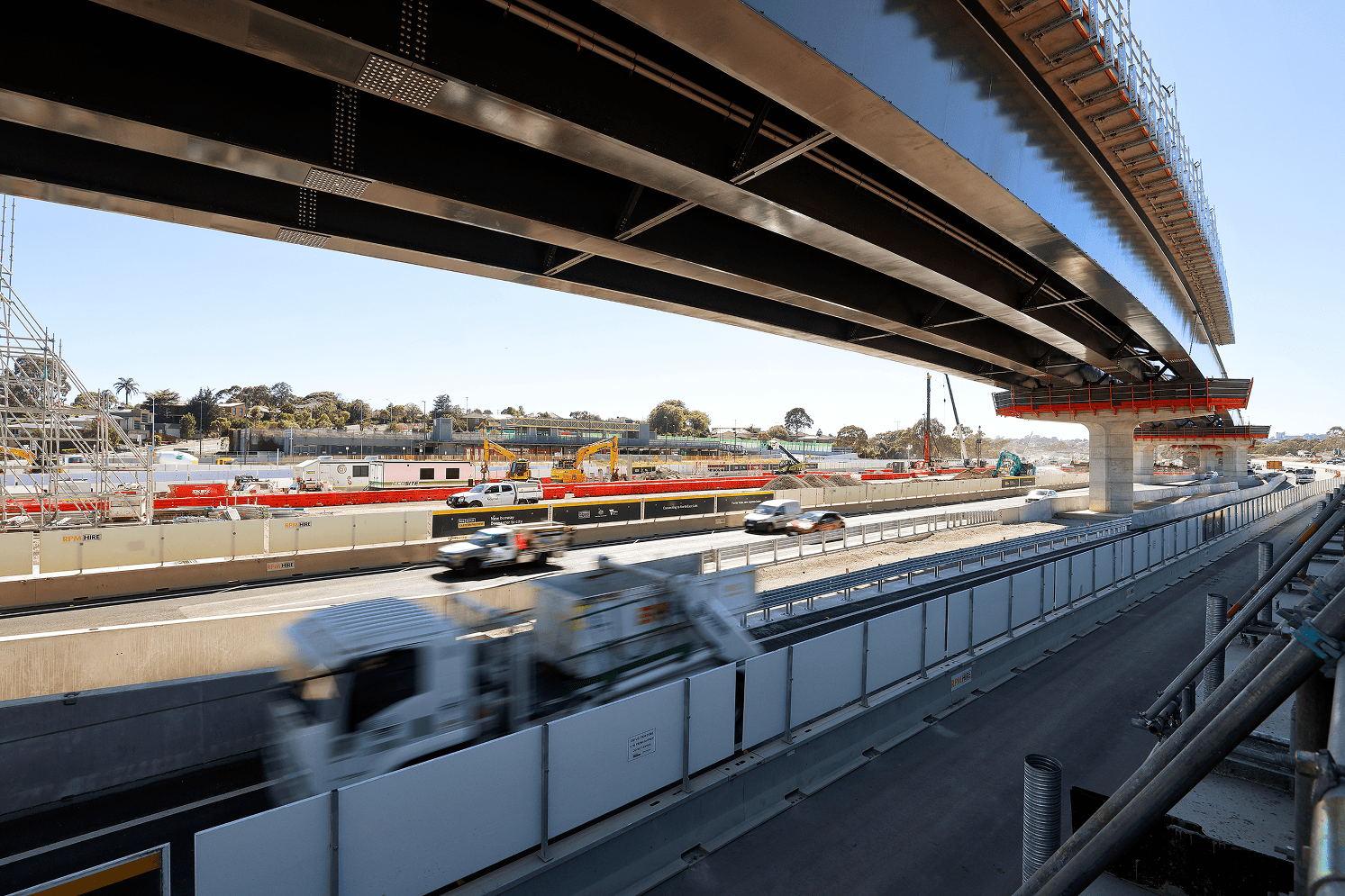
Arcadis, as part of the Eastern Freeway – Burke to Tram Alliance with Victorian Infrastructure Delivery Authority, Symal, Laing O’Rourke and WSP, is delivering the $4.3B upgrade that will transform one of Melbourne’s busiest transport corridors. Our multidisciplinary team provided technical design expertise across road alignment, shared‑use paths, road barriers, pavements, culverts and bridge structures, retaining walls, gantries, flood modelling, drainage, noise walls, utilities, ITS assets and enabling infrastructure.
We delivered integrated civil, structural, traffic and urban design services to ensure the design met the project’s performance, safety and environmental requirements. With 111 Environmental Performance Requirements to address—including noise and carbon emissions reductions, light spill, waterway protection and ecological considerations—the team developed solutions that balanced engineering ambition with environmental stewardship.
-
Read more
A key achievement was delivering a negative10% design growth metric, creating greater contingency and flexibility for construction while maintaining design compliance and integrity.
Through close collaboration with alliance partners, we developed innovative approaches to complex interfaces, including the major interchange at Bulleen linking the Eastern Freeway to the North East Link tunnels and the reconstruction of the Doncaster road bridge over legacy Koonung Creek culvert infrastructure. The result is a resilient, future‑proofed design that supports Melbourne’s long‑term mobility needs.


The Impact
A faster, safer, more sustainable freeway delivering quicker journeys, fewer trucks on local roads and better public, active and green transport links
20%
carbon reduction across the project lifecycle
40,716 tCO2e avoided using sustainable design practices.
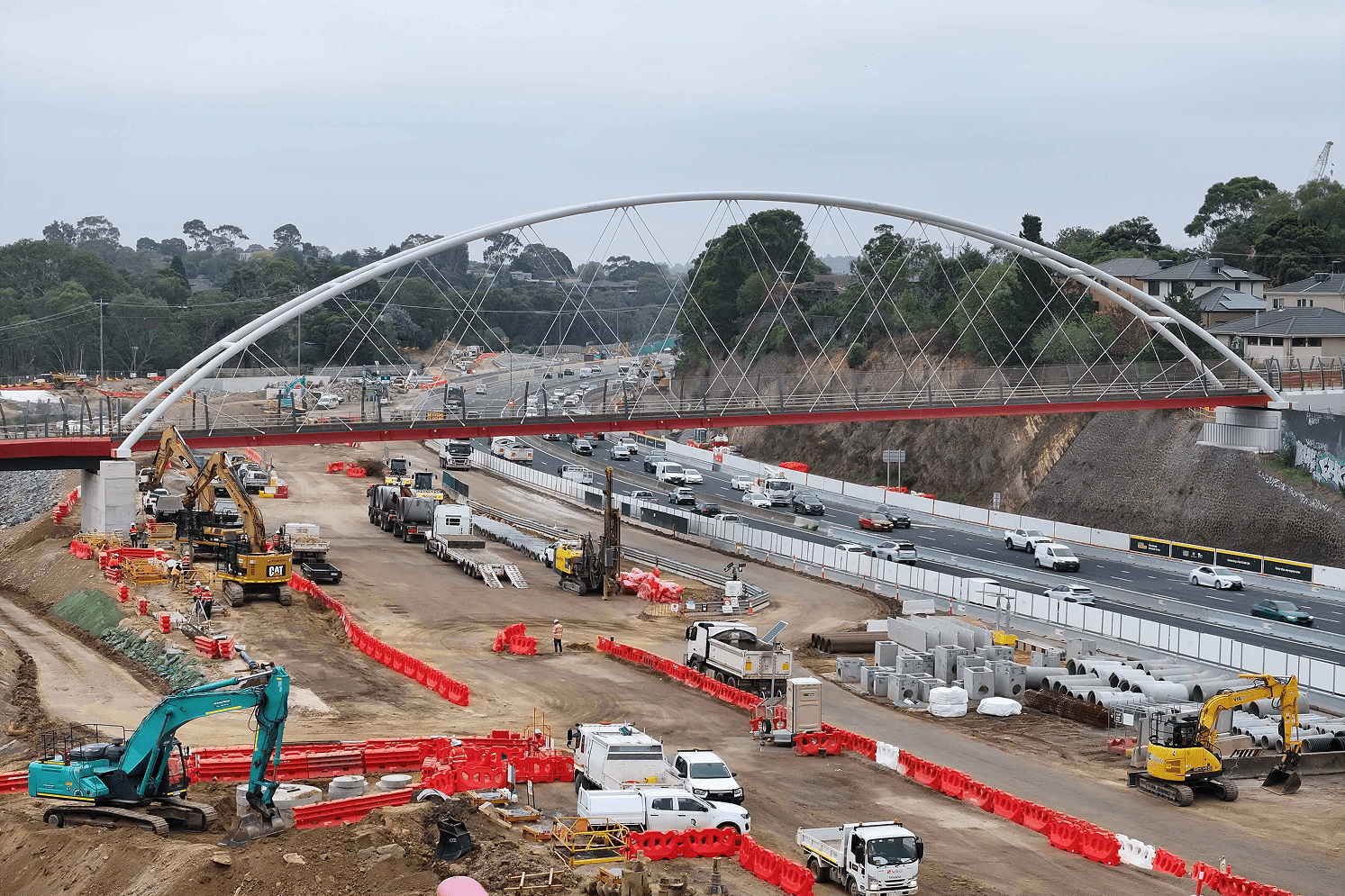
The Eastern Freeway – Burke Road to Tram Road upgrade will reshape how people move across Melbourne’s northeast. With six additional motorway lanes, modern express lanes, advanced traffic management technology and Melbourne’s first dedicated busway, the project will significantly reduce congestion and improve travel reliability. Commuters will benefit from up to 35 minutes faster travel times, while 15,000 trucks will be removed from local roads each day—making neighbourhoods safer, quieter and more livable.
A new interchange at Bulleen will seamlessly connect the freeway to the North East Link tunnels, linking the east to the M80 Ring Road and strengthening the city’s transport spine. The project also delivers more than 11 kilometres of upgraded noise walls meeting Victoria’s toughest standards, revitalised wetlands and waterways, and extensive upgrades to Koonung Creek Reserve.
-
Read more
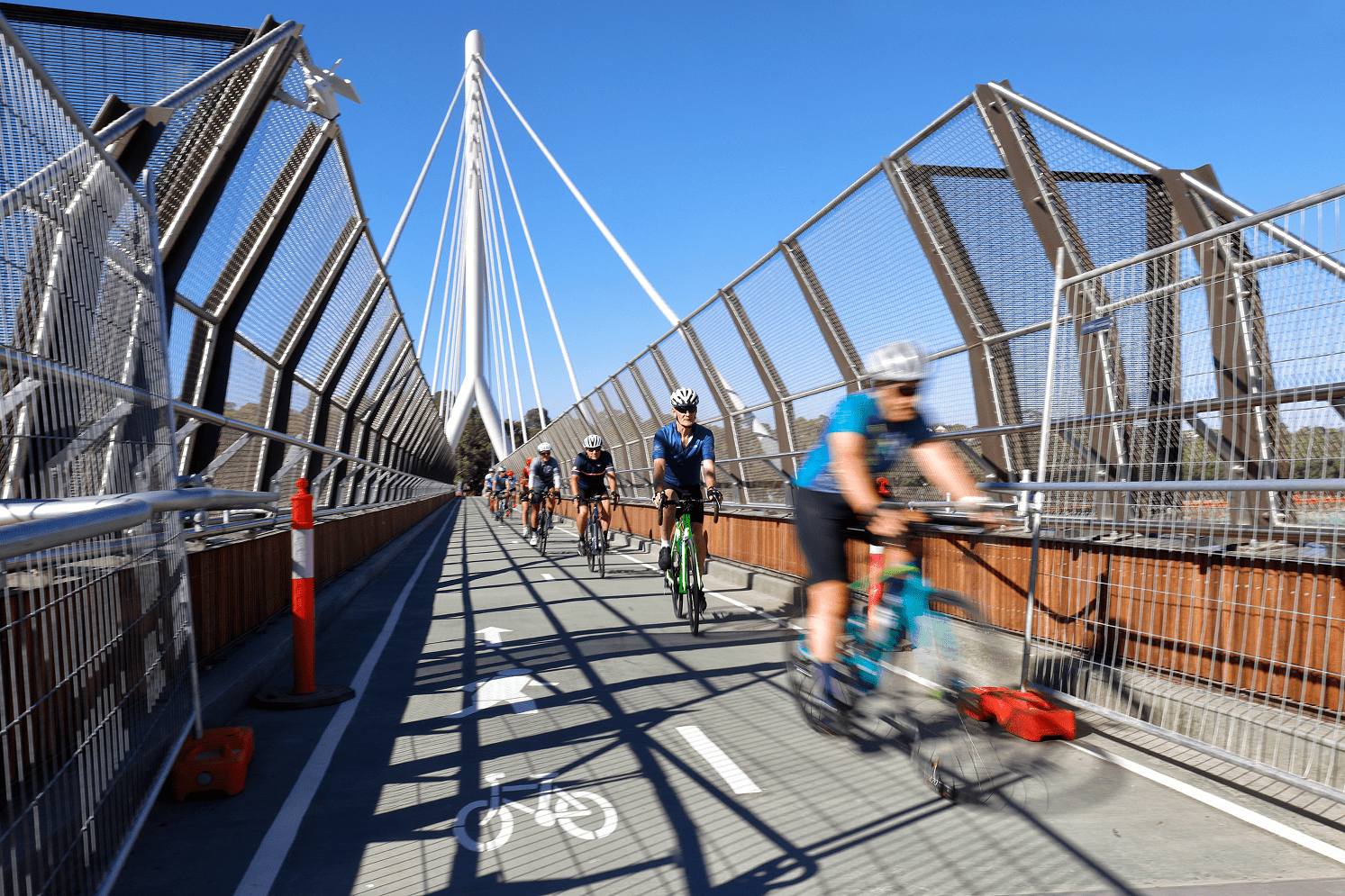
New and improved walking and cycling paths, bridges and underpasses will create safer, greener and more accessible active transport routes. Thousands of new trees and plants will enhance the corridor’s natural environment, while upgraded public transport infrastructure—including the first seven kilometres of the Eastern Busway—will provide faster, more reliable bus services for the community. Sustainable design practices have reduced GHG emissions from energy and material use by 140,716 tCO2e, equivalent to taking over 30,000 cars off the road for a year. Alone, design optimisations (including adoption of low carbon materials and redesign to reduce material quantities) contribute to a 20% reduction in the project's lifecycle footprint.
Major construction commenced in 2024, with completion expected in 2028. Once finished, the project will deliver a safer, more efficient and more sustainable transport network that helps people get home sooner and supports Melbourne’s continued growth.
Behind the solution
Not done reading?
This also might be interesting for you
- Related Projects
- Related Insights
- Related Blogs